The New "Oil": How the AI Boom is Rewriting the Rules for Memory Chips
For decades, the memory-chip industry was the roller coaster of the tech world—defined by brutal cycles of feast and famine. However, according to a recent report from the Wall Street Journal, the rise of Artificial Intelligence has fundamentally altered the landscape, sending profit margins and market valuations into uncharted territory.
Here are the key takeaways from the industry’s massive structural shift:
1. Unprecedented Profitability
Memory manufacturers are currently operating at historic highs. Companies like Micron and Sandisk are seeing gross profits of roughly 80 cents on every dollar. For a capital-intensive manufacturing sector where margins used to hover in the single digits, these levels are staggering. While some analysts warn these highs are "unsustainable," they highlight the current desperation for AI-capable hardware.
2. AI as the "Structural Catalyst"
The insatiable hunger of Large Language Models (LLMs) is the primary engine behind this growth.
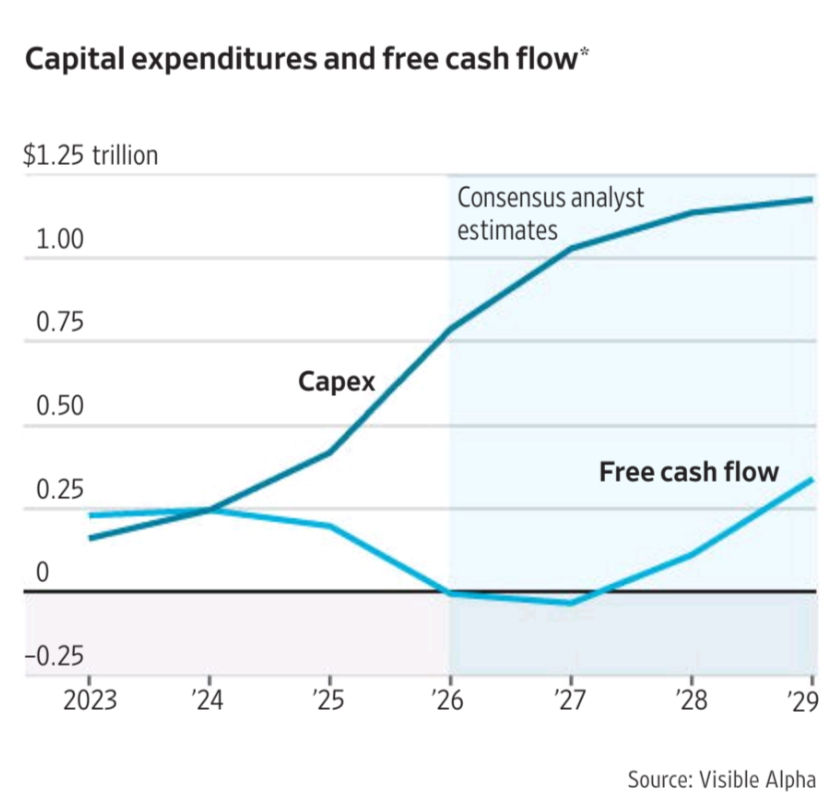
Massive Infrastructure Spend: Tech titans like Microsoft and Meta are aggressively raising their capital expenditure forecasts to secure the high-speed DRAM and storage necessary for AI.
The Supply Squeeze: Because chip-making facilities take years to build, supply cannot keep up with demand. This imbalance has given manufacturers immense pricing power.
The Ripple Effect: Production of high-margin AI memory is "crowding out" capacity for consumer electronics. This is driving up costs for everything from smartphones to cars, a trend even Apple has begun to flag as a business risk.
3. A Shift in Market Power
The stock market is reflecting a "changing of the guard." Companies like SK Hynix now boast market caps exceeding those of oil giants like Exxon Mobil, signaling that data and AI hardware have become the world’s most valuable commodities.
Furthermore, the industry is moving away from volatile 30-day "spot" deals toward five-year long-term contracts. These agreements suggest that the industry’s legendary "whiplash" volatility may finally be stabilizing as major buyers move to lock in vital components.
4. The 2026 Outlook: Memory is King
Looking ahead to 2026, memory makers are projected to sit at the very top of the semiconductor hierarchy in terms of gross margins:
Leaders: Micron & Sandisk (Projected ~75% margins)
The Heavyweights: Broadcom, Nvidia, & TSMC (Projected 50%–65% margins)
Trailing: Intel & AMD
The Bottom Line: While the memory sector has traditionally been seen as a commodity business, the AI revolution has turned it into a high-margin powerhouse. Despite the recent surge in stock prices, many of these companies are still trading "cheap" relative to the broader semiconductor index, suggesting the memory boom may still have room to run.


Comments